
Is your skin struggling this summer? From sunburns to bug bites, here’s how to heal and soothe our season’s most persistent skin issues.
Summer is finally here in the Pacific Northwest, and while many of us can’t get enough of the sunshine, our skin doesn't always love the season back. Whether you’re dealing with sunburn, mosquito bites, or seasonal rashes, we’ve got you covered with evidence-based tips to treat, soothe, and survive our season’s most common skin problems.
What do you do when your own sweat creates a prickly situation? Heat rash (also known as prickly heat or miliaria) is a bumpy, itchy rash that pops up in some of your sweatiest areas.
Here’s what you should do if a heat rash starts to form:
Heat rash happens when sweat ducts become blocked, trapping sweat beneath the skin. When a sweat gland gets clogged, the sweat flows back into the skin’s layers, causing inflammation and the resulting rash. It’s most common in areas that don’t get a lot of airflow, such as skin folds, creases, and clothes-covered areas.
If your rash doesn’t improve after several days or becomes infected, it’s time to set up a quick same-day appointment at your local ZoomCare clinic.
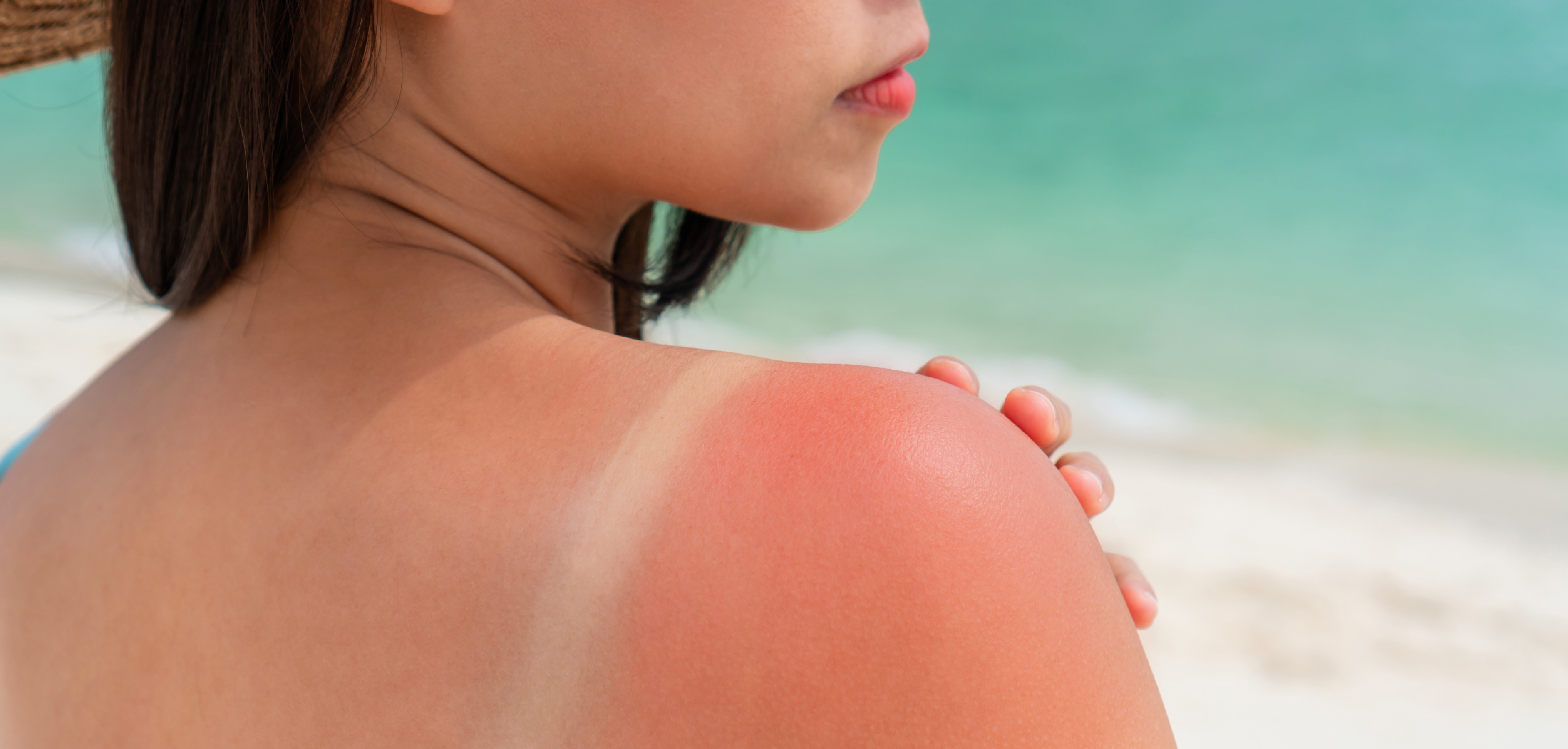
Prevention is your best defense against sunburns, which can lead to premature aging and increased risk of skin cancer.
Pro Tip: Over-the-counter hydrocortisone cream isn't generally recommended as a treatment for sunburn because evidence that it speeds healing is limited. Cool compresses, moisturizers, NSAIDs, and hydration are typically more helpful.
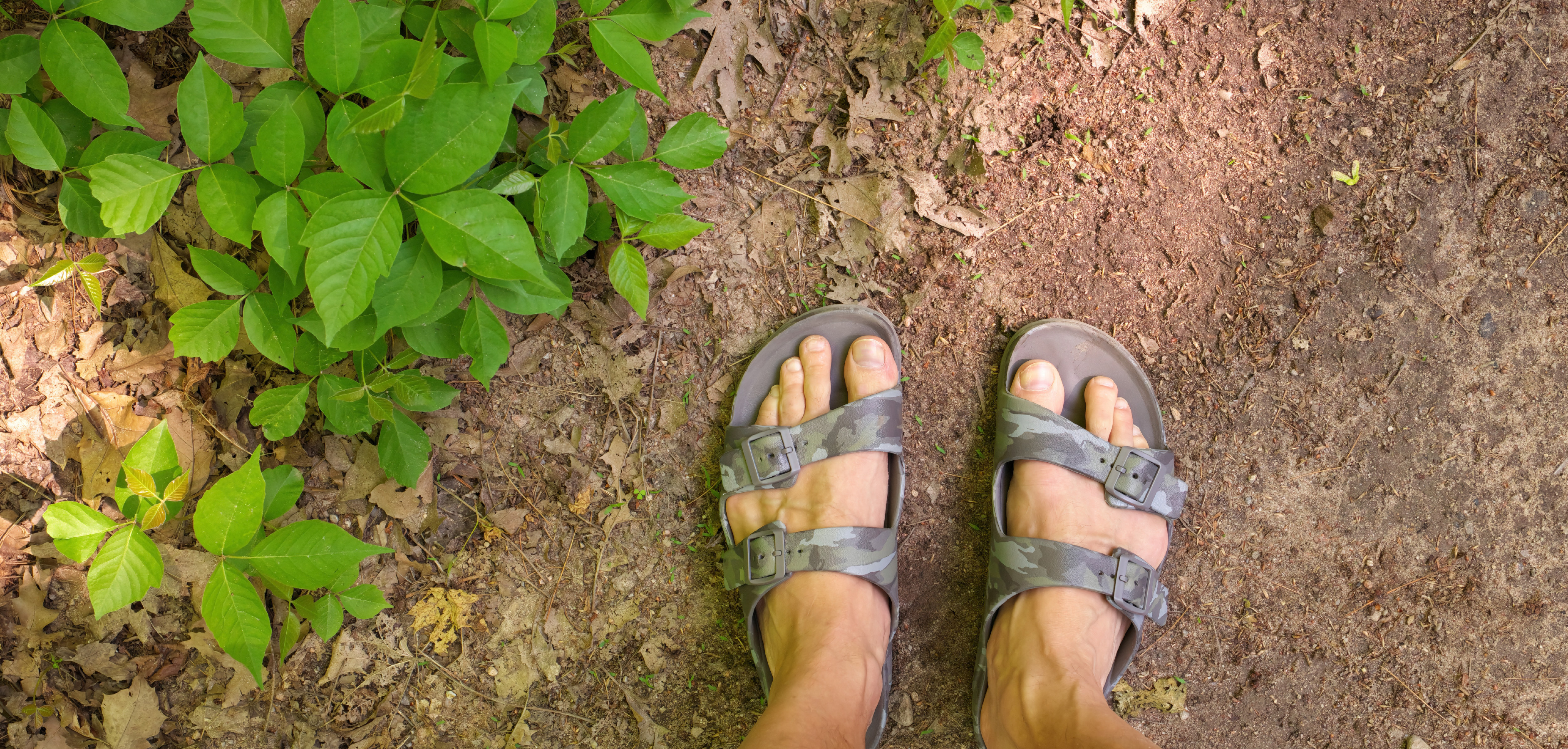
In Oregon and Washington, hiking is one of our favorite summertime activities, but it can lead to a brush with poison ivy, poison oak, or poison sumac. These pesky plants are coated in a sticky, long-lasting oil called urushiol. When it touches your skin, it causes a red, itchy, blistering rash.
If you do come into contact with poisonous plants this summer, don’t wait for it to get worse.
While plant rashes usually resolve on their own within a few weeks, they can be extremely uncomfortable. Talk to your doctor if you have a severe reaction, or if a rash appears on your face or genitals. An oral steroid like Prednisone might be necessary.
Avoid the itch on the trail. Learn how to spot poison oak and poison ivy with these helpful identifiers from the FDA.
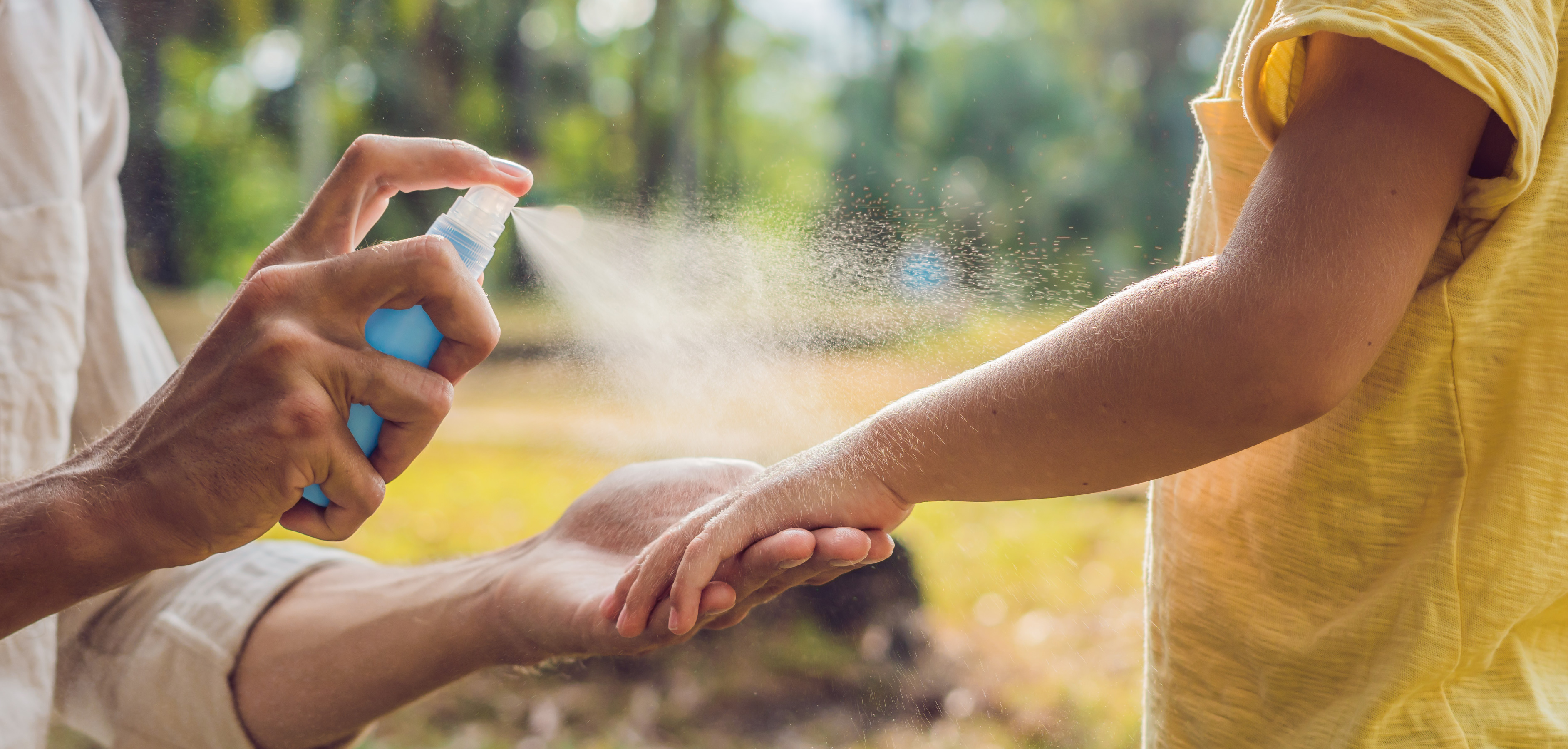
This is the part of summer that really bites. That annoying itch you tried to avoid with citronella candles, insect repellent gadgets, and sprays. If you spend enough time outdoors, mosquito bites are bound to happen.
If the bite becomes increasingly painful, develops pus, has spreading redness, or you develop fever or swelling, skip the guesswork and book an appointment right away.
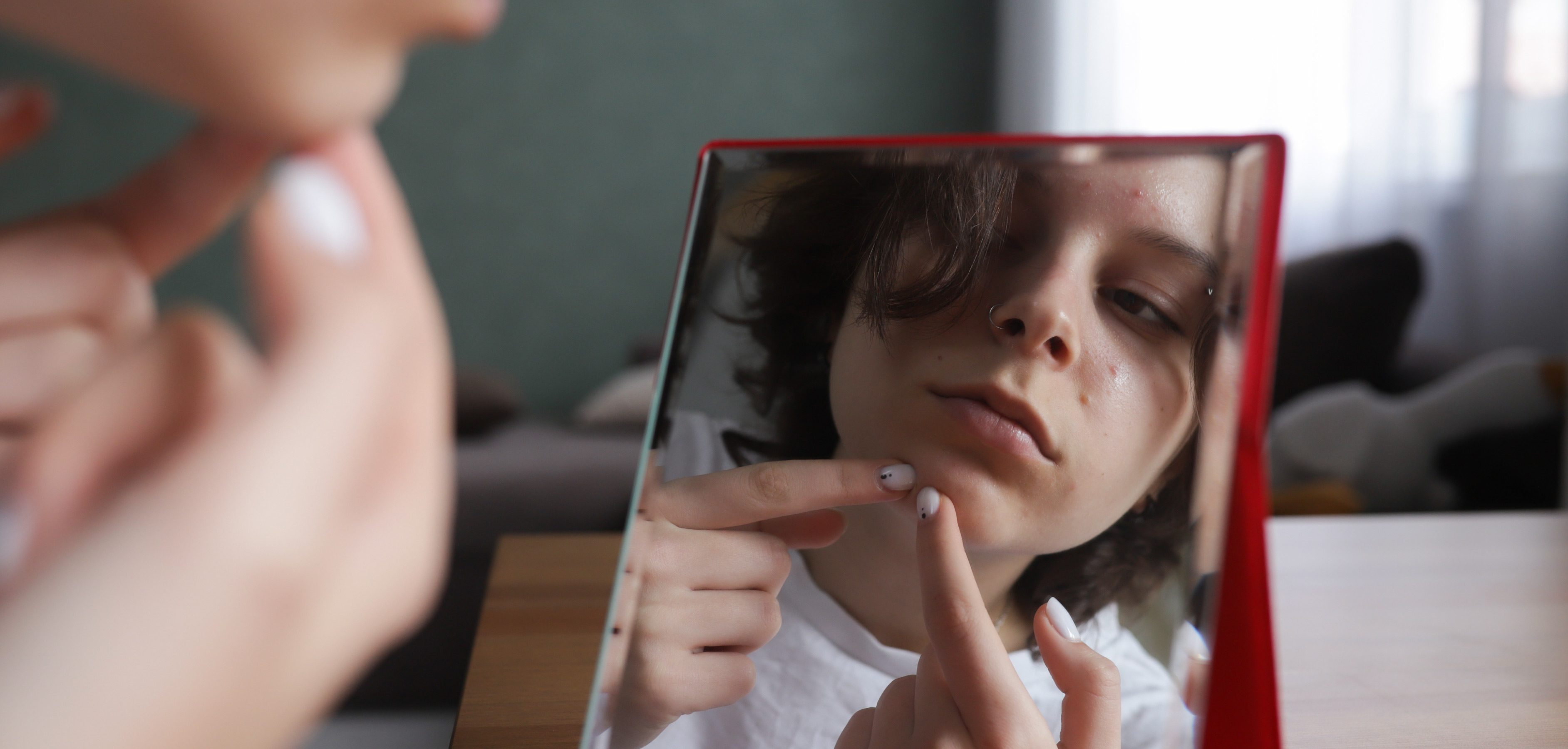
Does it feel like your skin is suddenly oilier than it was just a month or two ago? Hot weather increases oil production, and sweat combined with oil, and bacteria on the skin can contribute to clogged pores and acne flare-ups.
Regardless of where and when summer acne pops up, the treatment is relatively the same.
Pro Tip: Our ZoomCare Dermatologists are here to help with persistent, severe acne and other chronic skin conditions. Find a provider near you.

Those itchy bumps you thought were acne, might actually be folliculitis. It occurs when hair follicles become inflamed, often due to bacteria, yeast, friction, or irritation. It causes itchy, acne-like eruptions that are commonly found on shoulders, legs, and thighs.
It's more common during the summer because heat, sweat, friction, and tight clothing can irritate hair follicles and promote bacterial growth — especially if you frequently wear workout clothes or spandex. Tight clothing compresses the hair follicle, making bacteria more likely to grow there.
Another common summertime culprit is hot tub folliculitis, a temporary rash caused by bacteria that can grow in inadequately maintained hot tubs or pools.
To prevent folliculitis, shower and change your clothes right after a workout. If you’re prone to breakouts, avoid tight, non-breathable clothing that traps sweat against the skin.
If you do develop folliculitis, it'll likely clear up in a few days with basic self-care measures. However, if it persists, be sure to contact your dermatologist as more severe cases may require prescription medication.


Gretchen Todd, PA-C is a physician assistant in Seattle, WA.
