
A GLP-1 prescription is a powerful tool for weight loss, but it works best when paired with the right habits. Use these expert-approved nutrition tips for our top picks to fuel your body!
GLP-1 medications can be a game-changer when it comes to weight loss and health management, but long-term success often depends on how you fuel and move your body. By building intentional nutrition habits, you can stay strong, maintain your progress, and feel your best.
GLP-1s mimic natural hormones to manage your appetite and improve metabolic efficiency. They slow gastric emptying, helping you feel satisfied for longer. As a result, you’ll naturally need less food volume.
Since you’re eating less, prioritizing high-quality food and strength training are key to preserving muscle mass and ensuring your weight loss comes from body fat, not lean tissue.
Start your GLP-1 Weight Loss Journey with ZoomCare Today.
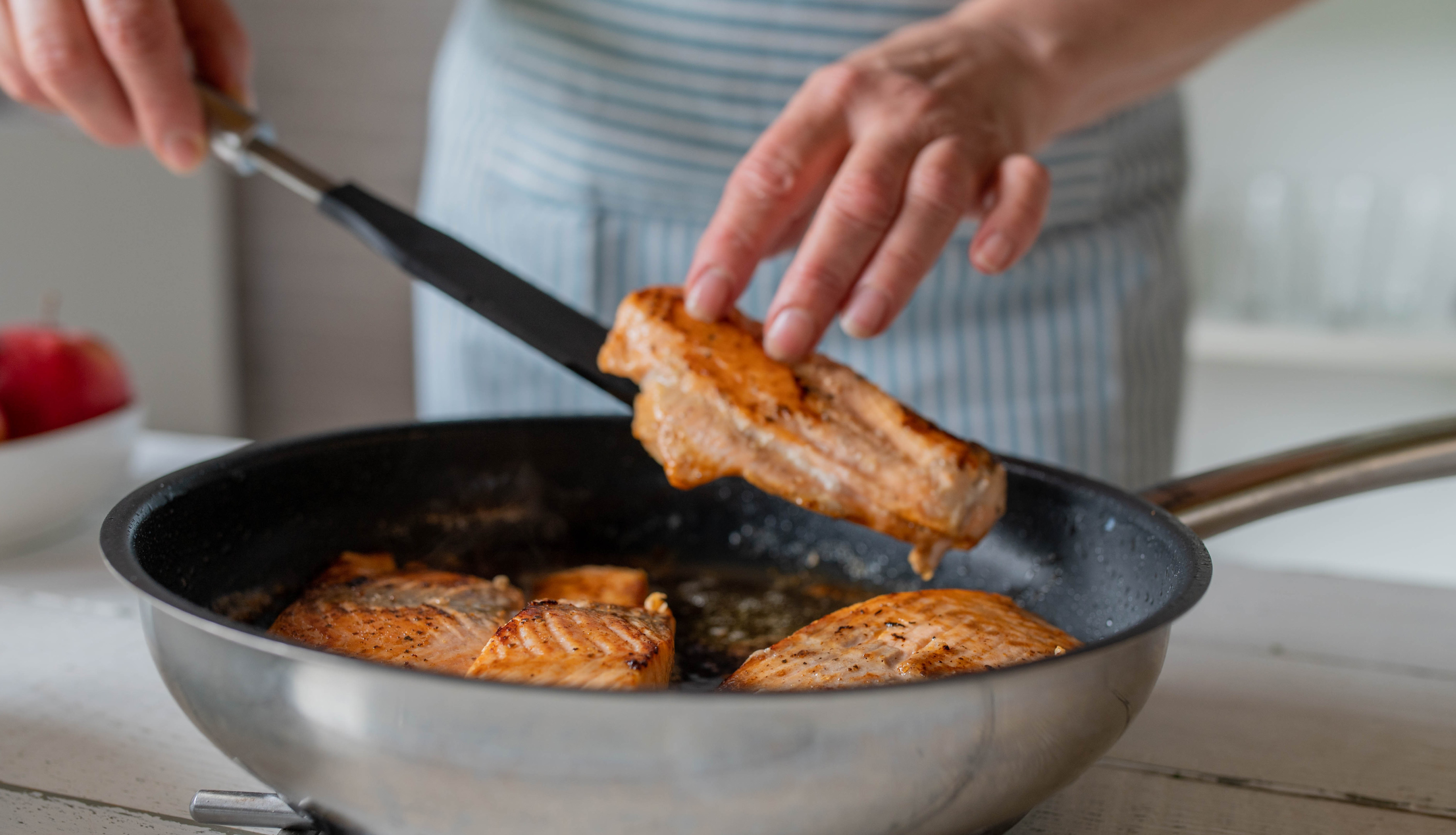
Because GLP-1s reduce the amount of food you can comfortably eat, intentional nutrition becomes even more important. It’s harder to get all the nutrients you need through sheer volume, so every bite needs to count.
Read about ZoomCare’s Approach to Sustainable Weight Loss.
Incorporate these nutrient-dense foods to support your health goals and feel your best while taking GLP-1 medications.
Pro Tip: cooked veggies are often better tolerated than raw ones (steamed greens, roasted carrots, sauteed zucchini) since they’re easier to digest.
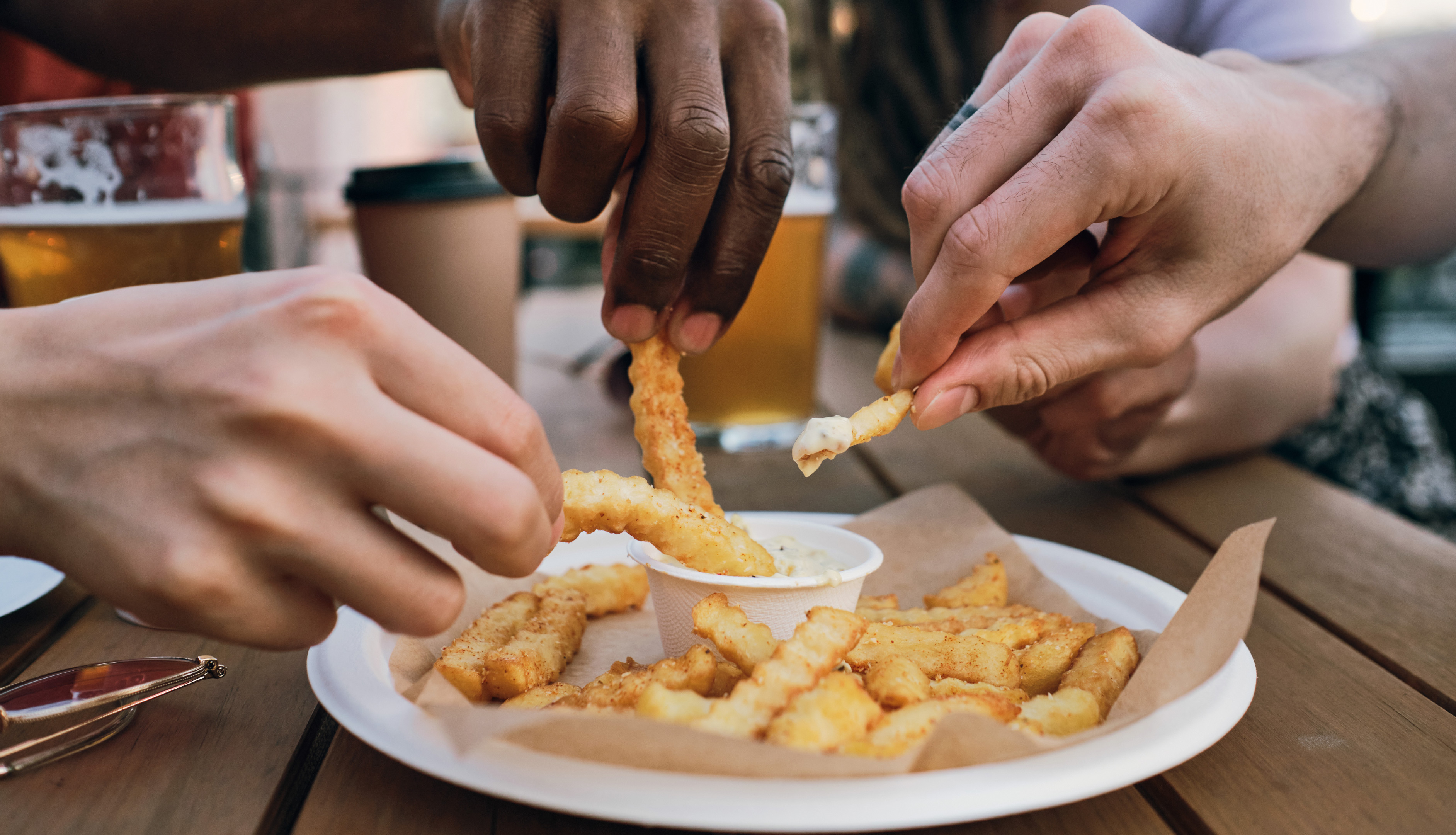
When taking GLP-1 medications, it is helpful to be mindful of foods that can exacerbate common side effects like nausea, bloating, and heartburn. While no foods are strictly "banned," focusing on specific dietary adjustments can make your treatment experience much more comfortable.
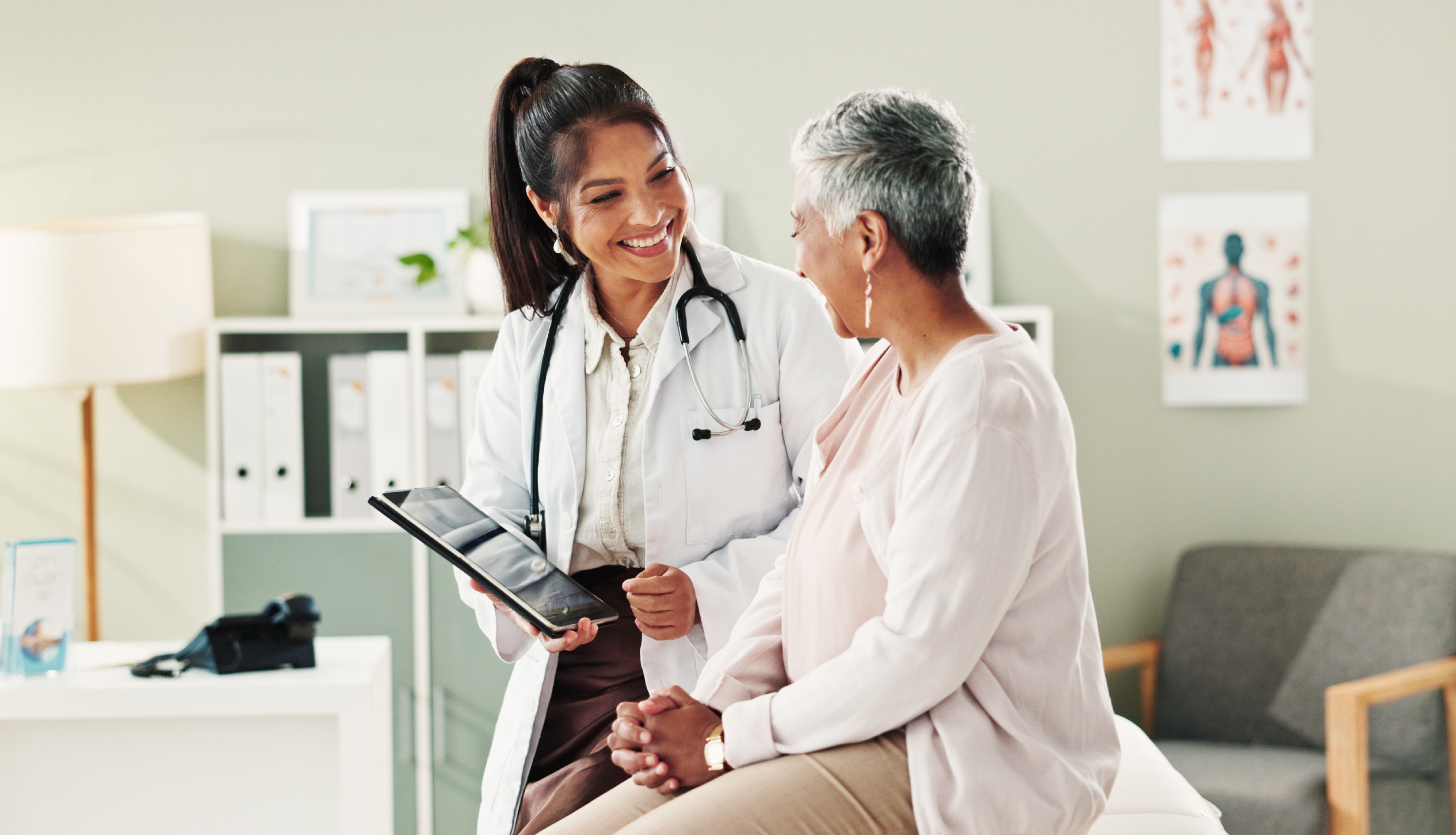
With so much "noise" and unregulated advice online, it is even more important to rely on evidence-based care.
When looking for personalized support, make sure you’re talking with a clinician or a Registered Dietitian. ZoomCare providers are available to help you navigate this process, providing resources and medical expertise to ensure your GLP-1 experience is safe and effective.The ultimate goal of this journey is health over aesthetics. Remember: these medications aren’t a replacement for healthy habits. They are tools that work best alongside consistent activity and quality nutrition.
Start your GLP-1 health journey today.

Nicole Knigge MS, PA-C, ATC, CSCS is ZoomCare's Medical Director of the Portland Region.
